
How Much Snow Can a Single-Stage Snow Blower Handle?
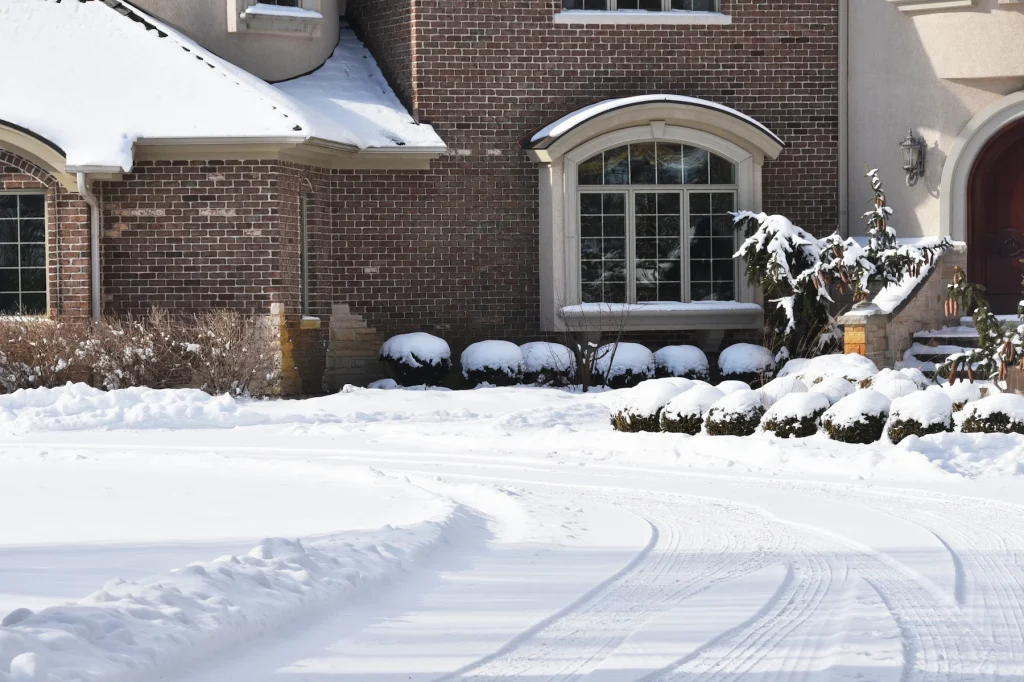
After an overnight snowfall, a few inches of light snow might seem easy to clear, but deeper accumulations can quickly test a single-stage snow blower’s limits. Its capacity depends on the model and how much snow the auger can gather and discharge in one pass. Working through deep snow in smaller layers can help, but it takes longer than clearing a shallow accumulation.
So how deep can a single-stage snow blower realistically clear, and when does snow depth become a problem?
Typical Snow Depth Limits
Single-stage snow blowers generally perform best with shallow to moderate snowfall.
Some current models have ideal clearing depths of around 9–10 inches, although practical limits vary. So these ranges are only a general guide.
|
Snow depth |
Typical performance |
|---|---|
|
1–3 inches |
Generally easy to clear. |
|
3–6 inches |
Within the normal working range of most models. |
|
6–8 inches |
Slower clearing may be necessary. |
|
8–10 inches |
Near the upper working range, although some models are rated for this depth. |
|
Over 10 inches |
Beyond the recommended range of most models. Clearing in layers may be possible. |
How Snow Conditions Affect Clearing
Snow density and texture affect how quickly a single-stage snow blower can clear an area. Loose powder usually passes through the auger more readily than dense or compacted snow. The difference becomes more noticeable as the accumulation deepens.
Fresh, Dry Powder
Fresh powder is usually the easiest snow for a single-stage blower to clear. Its light, loose texture allows the auger to gather and discharge snow more readily. The machine can usually maintain a good pace as long as the depth stays within its working capacity.
Wet, Heavy Snow
Wet snow is heavier than dry powder and puts more strain on the motor and auger. Moving forward more slowly can give the auger time to process the heavier snow. Performance can vary a lot by model.
To learn more, read our guide about how well battery powered snow blowers handle wet, heavy snow.
Settled or Compacted Snow
Snow becomes denser as it settles. Compaction adds resistance, making it harder for the auger to break up and move the snow. Several passes may be needed to clear the area. Partially refrozen snow can be even more difficult to remove.
Plow Piles
Road plows often leave deeper, more densely packed snow than the surrounding snowfall. A single-stage blower may struggle to process the full depth in one pass. Some models can clear the edges of a pile but struggle with its deeper centre. The result depends on the pile’s density and the machine’s capacity.
What Affects Clearing Capacity?
A single-stage snow blower’s clearing capacity depends on its design and how effectively it gathers and discharges snow.
Motor Power and Auger Design
The motor drives the auger, which gathers snow and moves it towards the discharge chute. Deeper snow increases the amount the blower must process with each pass. If the auger cannot keep up, you may need to slow down your working pace or make additional passes.
Intake Height and Clearing Width
Intake height is basically the height of the opening through which snow enters the machine. A taller opening can accommodate a deeper layer, but the blower must still have enough capacity to process it.
Clearing width determines how much ground the blower covers with each pass. A model with a wide clearing path can reduce the number of passes needed across a large area, but it does not necessarily handle deeper snow.
Power Source and Runtime
Its a common issue that battery models often run out of charge before a large area is clear. Runtime depends on battery capacity, the machine’s power and working conditions.
Corded models can run continuously but are restricted by power cable reach and freedom of movement.
Gas models can keep running as long as fuel is available. For commercial use, they are a common choice.
Where Single-Stage Blowers Fall Short
Routine snowfall is one thing. Deep snow and larger clearing jobs can take far longer and expose the limits of a single-stage blower.
Deep Accumulations
Deep snowfall can turn a routine clearing job into a slower process. The machine may need several passes, particularly when the accumulation exceeds its normal working capacity.
Plow Piles
Road plows can leave a bank of snow across the driveway entrance. A single-stage blower may clear the main driveway but struggle with part of this bank. That can mean extra work at the point where access matters most.
Large Clearing Areas
Long driveways and extensive paved areas require repeated passes across a much larger surface. A single-stage blower may manage the snow but take longer to finish the job. The difference becomes more noticeable when clearing a large area is part of the regular winter routine.
Finding the Practical Limit
Judge a single-stage snow blower by how well it handles your area’s typical snowfall and the ground you need to clear. An occasional heavy snowfall does not necessarily mean you need a larger machine. If your single-stage blower repeatedly struggles with your usual snow clearing jobs, it may be time to consider upgrading to a two-stage model.
Looking for a new snow blower? Compare our picks for the 5 best single-stage electric snow blowers to find the right machine and get winter ready.